….or the salt marshes, or around fresh water ponds. Actually the St Marks NWR included all of this. We struck out along the East River Dike Trail which separates the tidal marsh from the fresh water impoundments and heads higher into pine/palmetto stands. This day we weren’t overwhelmed by the vast numbers of critters; we had to work at it, but by mid day we had found most of “the usual suspects.”
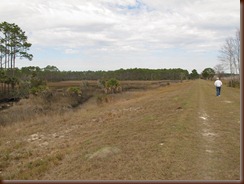 The dikes are wide, grassy and well mowed, easy walking and high enough to peek over both fresh and salt environments.
We saw Osprey and flocks of ducks that would lift off with a great Swoosh, circle around and land again in a long cascade of splashes. Herons and Egrets appeared in ones and twos, but our search for “Chauvinistic Mega Fauna” was stymied until we found a catch pen with four yearling feral hogs. These guys play havoc with the
The dikes are wide, grassy and well mowed, easy walking and high enough to peek over both fresh and salt environments.
We saw Osprey and flocks of ducks that would lift off with a great Swoosh, circle around and land again in a long cascade of splashes. Herons and Egrets appeared in ones and twos, but our search for “Chauvinistic Mega Fauna” was stymied until we found a catch pen with four yearling feral hogs. These guys play havoc with the  whole enviornment, sometime churning up the ground like a bottom plow. Rufuge personel remove about 75 a year, but that hardly accounts for one sow’s production. When we reported the trap was sprung, we had a nice chat with one of the biologists about this and other threats to the refuge.
“No, not barbeque”, he replied to our question. “They’ll be eaten by the rest of the refuge critters.”
We asked about the Whooping Crane Chicks which usually follow Ultra light airplanes South to St Marks in an attempt to establish an Eastern Migratory path. We had been following their progress south until they got stuck in Northern Alabama by weather, Christmas, FAA snarl ups and more weather. We were planning to watch the “fly over” a few miles from our home, but left them still struggling to get the chicks to fly again after the long delays. It seems the decision has been made to let them stay in Alabama and enjoy this mild winter weather. If all goes well, they will instinctively return to Wisconsin in the fall. There was a little
whole enviornment, sometime churning up the ground like a bottom plow. Rufuge personel remove about 75 a year, but that hardly accounts for one sow’s production. When we reported the trap was sprung, we had a nice chat with one of the biologists about this and other threats to the refuge.
“No, not barbeque”, he replied to our question. “They’ll be eaten by the rest of the refuge critters.”
We asked about the Whooping Crane Chicks which usually follow Ultra light airplanes South to St Marks in an attempt to establish an Eastern Migratory path. We had been following their progress south until they got stuck in Northern Alabama by weather, Christmas, FAA snarl ups and more weather. We were planning to watch the “fly over” a few miles from our home, but left them still struggling to get the chicks to fly again after the long delays. It seems the decision has been made to let them stay in Alabama and enjoy this mild winter weather. If all goes well, they will instinctively return to Wisconsin in the fall. There was a little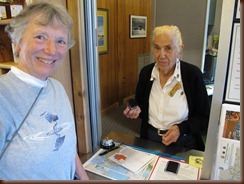 disappointment in the voice of the volunteer we spoke with, but she had tales to tell about past “crane rodeos”. More info on this fascinating subject at OPERATION MIGRATION

Sixties through the night with spasms of light rain. The early morning view from the bedroom was like a Japanese painting –- a few tall feathery pines silhouetted against the grey fog.

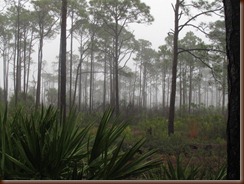 It was quiet in the fog, but nearby a pair of woodpeckers with an exemplary work ethic were plying their trade. The colors of the Cardinals pair were muted by the gray, but their song was very insistent.
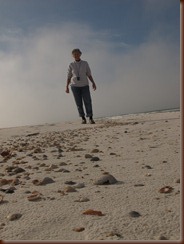 We wandered along the beach until the sun burned through. There are miles of beach with nothing but nature and a few early risers searching for shells.
 Back at camp, we unhitch, unfurl the canopy and set up for PANCAKES WITH FRESH STRAWBERRIES.

 Glad we brought the electric grill. Pat likes cooking outside away from the noise of the exhaust fan and our breakfast nook is perfect -- 65 degrees with a gentle breeze, birdsong and Monarch butterflies flitting thorough.
“Shouldn’t you guys be in Mexico by now?”
With the sun out, but still perfect weather, we biked all the park roads, stopping to inquire after some of the local hangers on at the Marina.
Glad we brought the electric grill. Pat likes cooking outside away from the noise of the exhaust fan and our breakfast nook is perfect -- 65 degrees with a gentle breeze, birdsong and Monarch butterflies flitting thorough.
“Shouldn’t you guys be in Mexico by now?”
With the sun out, but still perfect weather, we biked all the park roads, stopping to inquire after some of the local hangers on at the Marina.

 In the afternoon, a haze formed an
 d chances for a tropical sunset diminished. We cleaned up and headed in to appraise the offerings at …and we were NOT disappointed! The pizza lived up to all the superlatives and the place was refined and very well run. For the second time this year a small town pizza place has lived up its rave reviews. We are believers.
Riding home in the dark, mellow tunes playing , we counted ourselves fortunate indeed.
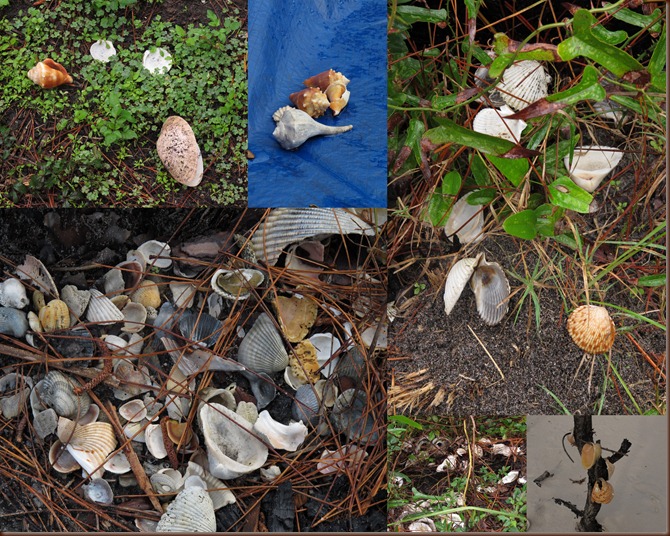
Much we know of coastal Indian tribes (The Calusa and others) comes from examining their shell middens. They lived from the sea most of the year bringing home shellfish and disposing of their shells nearby. Eventually they build temples and additional living space on the high ground thus created. 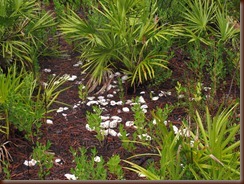 Modern man sometimes follows the practice, bringing home a washtub of oysters and adding the shells to the vegetation around the campsite.
More poignant are the little middens left by departing campers. Check any abandoned site and you will find a small cache of carefully collected shells and half shells abandoned near a tree or left atop a picnic table. We will never know the age of the collector, though we may guess. Nor can we measure the anguish or hear the protestations or know what really good shells are now transported to inland destinations. We can only read the clues and speculate…
Modern man sometimes follows the practice, bringing home a washtub of oysters and adding the shells to the vegetation around the campsite.
More poignant are the little middens left by departing campers. Check any abandoned site and you will find a small cache of carefully collected shells and half shells abandoned near a tree or left atop a picnic table. We will never know the age of the collector, though we may guess. Nor can we measure the anguish or hear the protestations or know what really good shells are now transported to inland destinations. We can only read the clues and speculate…